MAC Randomisation and how to disable it
Many phones, tablets and computers can use a private or randomised Wi-Fi address when connecting to a wireless network. Apple introduced Private Wi-Fi Address in iOS 14, iPadOS 14 and watchOS 7, while Android devices have supported MAC address randomisation from Android 10.
A Wi-Fi address, more commonly called a MAC address, identifies your device’s Wi-Fi connection to a network. A hardware MAC address normally contains 12 hexadecimal characters and may also be called a physical address, device MAC or phone MAC.
Private address features improve privacy by preventing your device from presenting the same hardware address to every Wi-Fi network. This can make it more difficult for different network operators to associate your activity across locations.
At Glide sites where access is linked to a device’s MAC address, changing that address can make the device appear to be new. This may cause the device to ask you to sign in again or prevent it from matching a device that you previously added to your account.
You only need to change this setting if your device repeatedly asks you to sign in, does not match the device registered to your account, or Glide Support asks you to change it.
If your site uses Glide_Signup and Glide_Resident, and you connect to Glide_Resident using your unique passkey, you will not normally need to disable the private address feature. If your Apple device offers the choice, use Fixed rather than Rotating so the address remains stable for that network.
Keep private or randomised addressing enabled for other public Wi-Fi networks unless you have a reason to turn it off.
You can read more about security on the Glide network.
Before changing the setting
- Make sure you are changing the setting for the Glide network only, rather than disabling the privacy feature for every network.
- If you manually added the device to your Glide account, make sure the registered address matches the address the device will use after the change.
- After changing the setting, turn Wi-Fi off and on, reconnect to the Glide network and sign in again if prompted.
- Menu names can vary slightly depending on the device model and software version.
Use a stable Wi-Fi address
▼ Select your device below to expand and view the instructions.
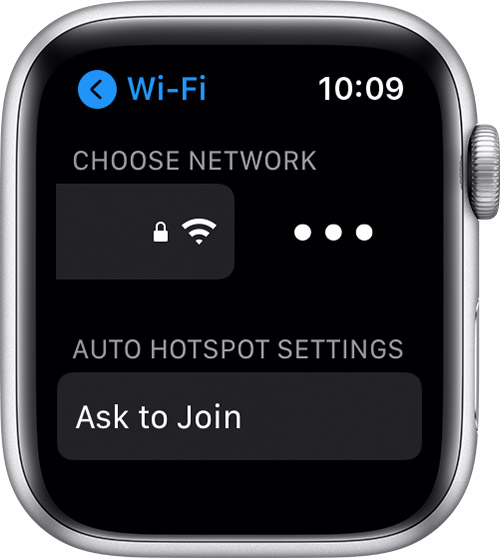
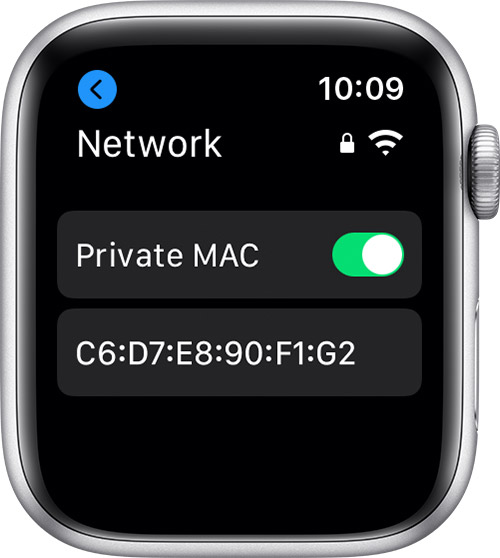
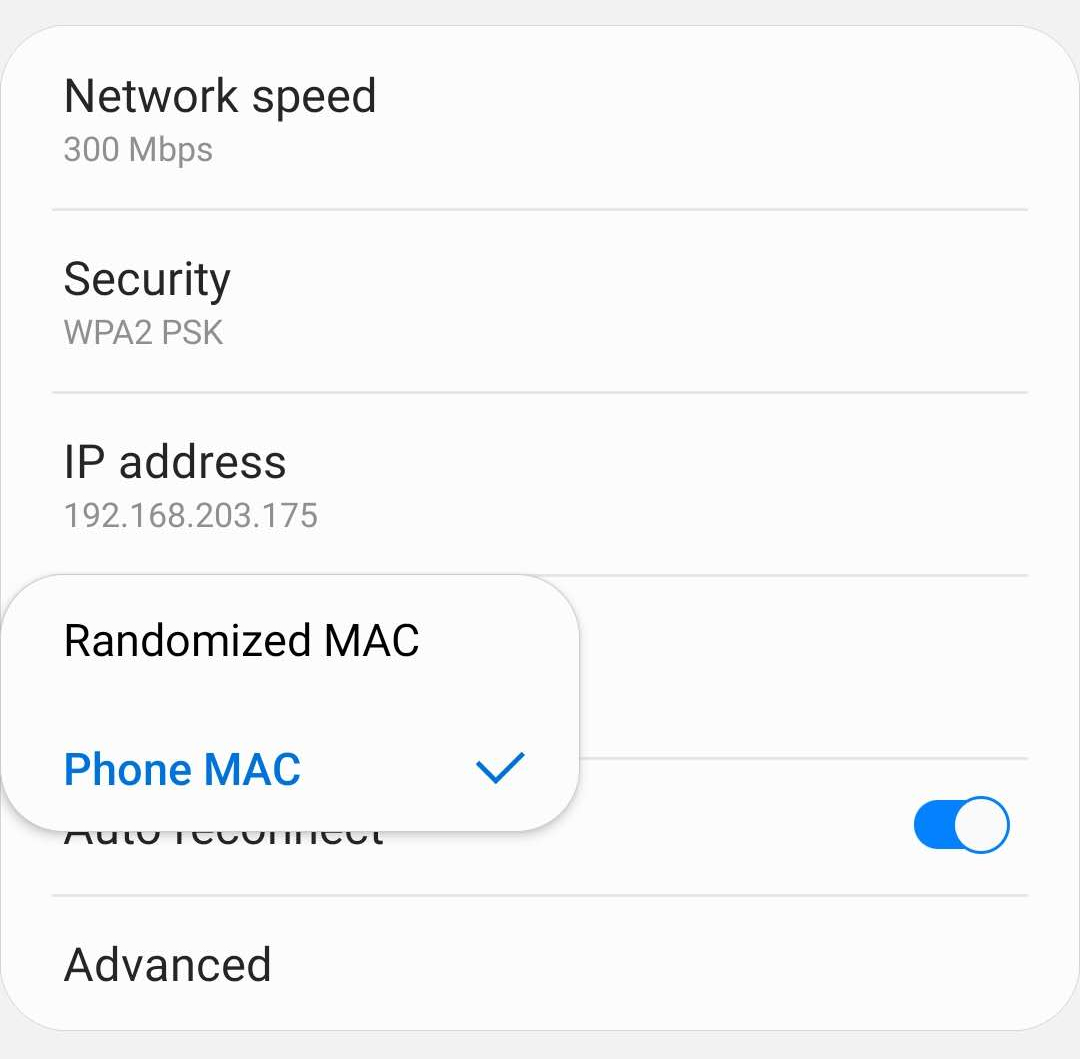
Please note: Choosing Off may display a privacy warning. This is expected because the device will use its hardware MAC address on this network. Example shown on an earlier version of iOS. The wording may differ on newer devices. Private Wi-Fi Address controls are available in macOS Sequoia 15 and later. If the Mac is managed by your workplace, school or university, you may not be allowed to change this setting. Contact the organisation that manages the Mac. Please note: Apple Watch cannot connect directly to captive networks that require a browser-based sign-in. Where available, connect it to the secure Glide_Resident network using your unique passkey. Examples shown on an earlier version of watchOS. The wording may differ on newer devices. Android menu names vary between manufacturers. If you cannot find the option, use the Settings search box and search for MAC address, Privacy or Randomised MAC. Example shown on a Samsung Galaxy device. The layout may differ depending on the model and One UI version. The wording may vary slightly between EMUI and HarmonyOS versions. If the option is not displayed, the Wi-Fi adapter may not support random hardware addresses. Please note: Microsoft support for Windows 10 ended on 14 October 2025. For security, use a supported operating system wherever possible.iPhone, iPad, iPod touch and Apple Vision Pro

Apple Mac
Apple Watch
Google Pixel and other standard Android devices
Samsung Galaxy phones and tablets
Huawei phones and tablets
Windows 11
Windows 10
After changing the setting
The device will present a different MAC address when you change between a private address and the hardware address. Reconnect to the Glide network and sign in again if prompted.
If you previously added the device to your account manually, update it using the MAC address now shown for the Glide connection. Find out how to add or update a device on your Glide account.