Ethernet loss of service
Ethernet is usually the fastest and most reliable way to get online. If your wired connection stops working, the cause may be your device, Ethernet cable, wall socket or the cabling at your accommodation.
If Wi-Fi is also unavailable, check the Service Status in the Glide app before you begin troubleshooting. If a known issue is shown for your site, you do not need to complete the steps below.
Before you begin troubleshooting
- Connect the Ethernet cable firmly to your device and the wall socket.
- Temporarily turn off Wi-Fi on your device so you can be certain that you are testing the wired connection.
- If you use a USB Ethernet adapter or docking station, disconnect and reconnect it securely.
- Do not unplug, reset or move any Glide or accommodation network equipment.
Troubleshooting steps
▼ Select each troubleshooting heading below to expand and view the instructions.
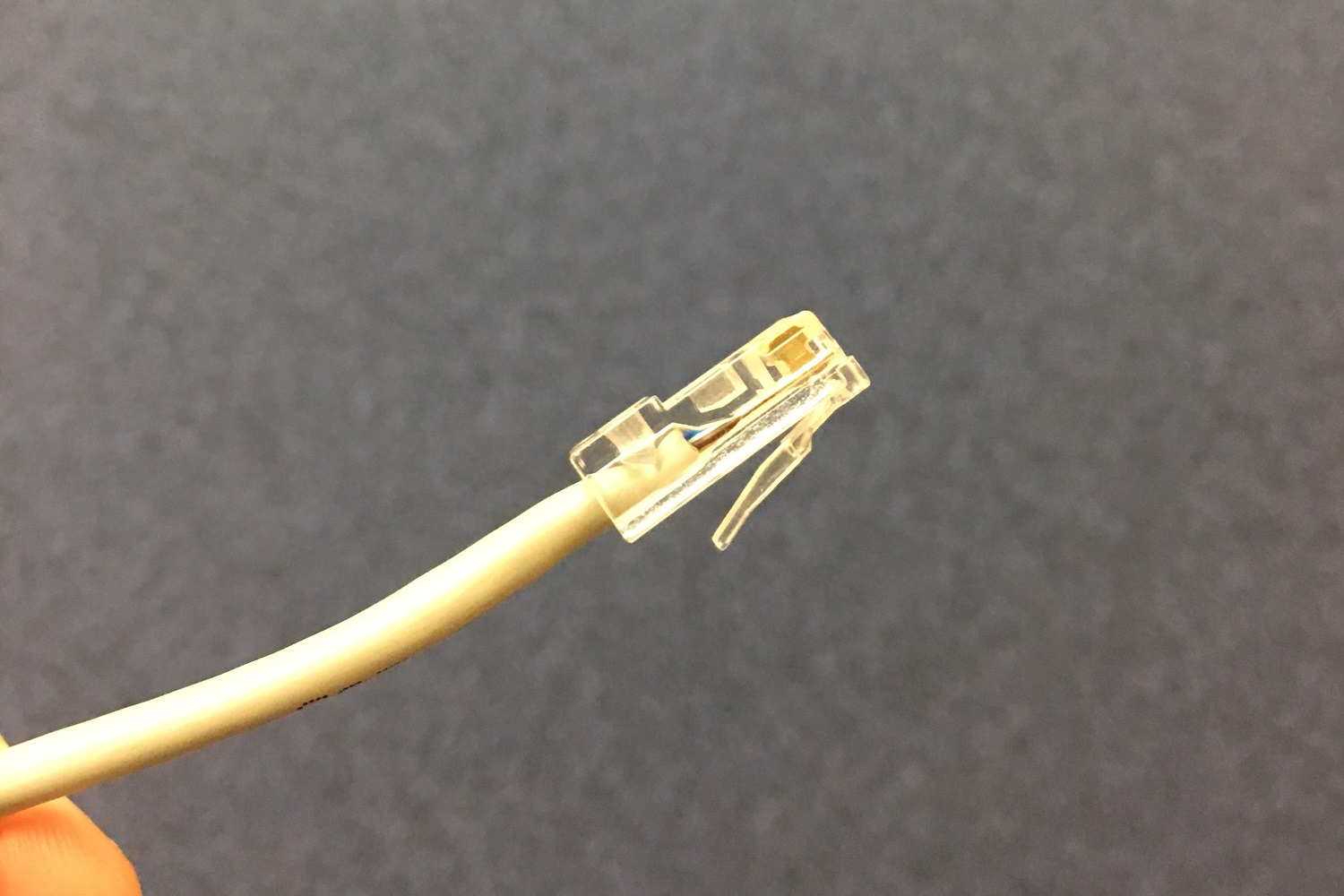
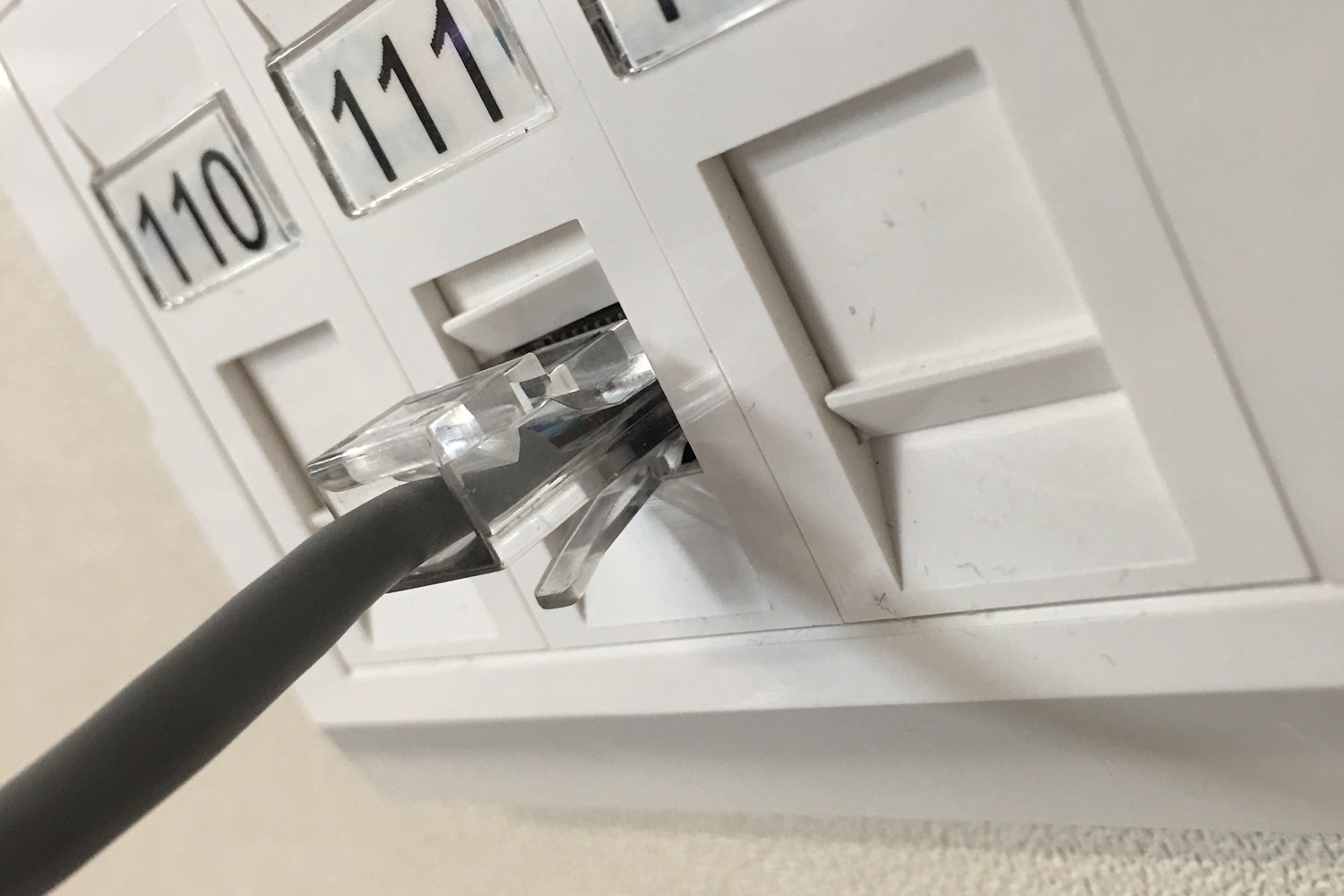
When you connect a new device, open a web browser and visit a website. If the Glide sign-in page appears, sign in with your Glide account details and complete any instructions shown. If the sign-in page does not appear, try visiting a website whose address begins with http://. Temporarily pause any active VPN while signing in. Using a device without a web browser? Devices such as games consoles and some smart TVs may need to be linked to your account manually. Add the device’s wired or Ethernet MAC address, which is different from its Wi-Fi MAC address. Tip: Some devices and adapters have a light beside the Ethernet port. A light usually indicates that the device can detect a physical connection, although the colour and behaviour vary by manufacturer. A cable can become faulty even when it looks undamaged. If possible, connect your device using another Ethernet cable that you know works, then test the connection again. If you do not have a spare cable, ask your reception or accommodation team whether they can provide one for testing. Your room may have more than one network wall socket, and not every socket will necessarily be active. If another Ethernet socket is available in your room, test it using the same device and a cable that you know works. Do not unplug equipment belonging to Glide or your accommodation to access another socket. Without removing the faceplate, check the Ethernet socket for cracks, looseness or other visible damage. If the socket is loose or damaged, stop using it and contact the Service Desk at studentsupport@glide.co.uk. Keep Wi-Fi turned off while completing this check. Select your device below to view the instructions. Please note: Microsoft support for Windows 10 ended on 14 October 2025. For security, use a supported operating system wherever possible. Keep the connection configured automatically unless Glide Support or your network administrator has given you specific settings. Select your device below. Complete these steps only after checking the cable, wall socket and connection status. These commands reset the network connection and request a fresh IP address. If possible, test the same cable and wall socket with another Ethernet-capable device. Make a note of the result, as the Service Desk will use it to identify the likely cause. It removes and reinstalls network adapters and returns their settings to the defaults. You may need to reinstall VPN software or other networking software afterwards.Step 1: Confirm that the device is signed in or linked
Step 2: Check the cable and connections
Step 3: Try a different Ethernet cable
Step 4: Test the available wall sockets
Step 5: Check the wall socket for damage
Step 6: Check the wired connection on your device
Windows 11
Windows 10
Apple Mac
Chromebook
Ubuntu Linux
Step 7: Refresh your device’s network connection
Windows 10 and Windows 11
netsh winsock resetnetsh int ip resetipconfig /releaseipconfig /renewipconfig /flushdns
Apple Mac
Step 8: Test another device or Ethernet adapter
Step 9: Windows network reset
Windows 11
Windows 10
Contact the Service Desk
If the issue continues, call us on 0333 123 0115 or email studentsupport@glide.co.uk.
Please include the following information so we can investigate more quickly:
- Your accommodation name, block, flat and room number.
- Your Glide username or account ID.
- The device make, model and operating system.
- The device’s wired or Ethernet MAC address.
- Whether more than one device is affected.
- Whether Wi-Fi is working.
- Whether you tried a different cable, wall socket, device or Ethernet adapter, and what happened.
- The connection status or any warning or error message shown by your device.
- Whether some websites work while others do not.
- When the problem started.
We’ll get in touch as soon as we can.